
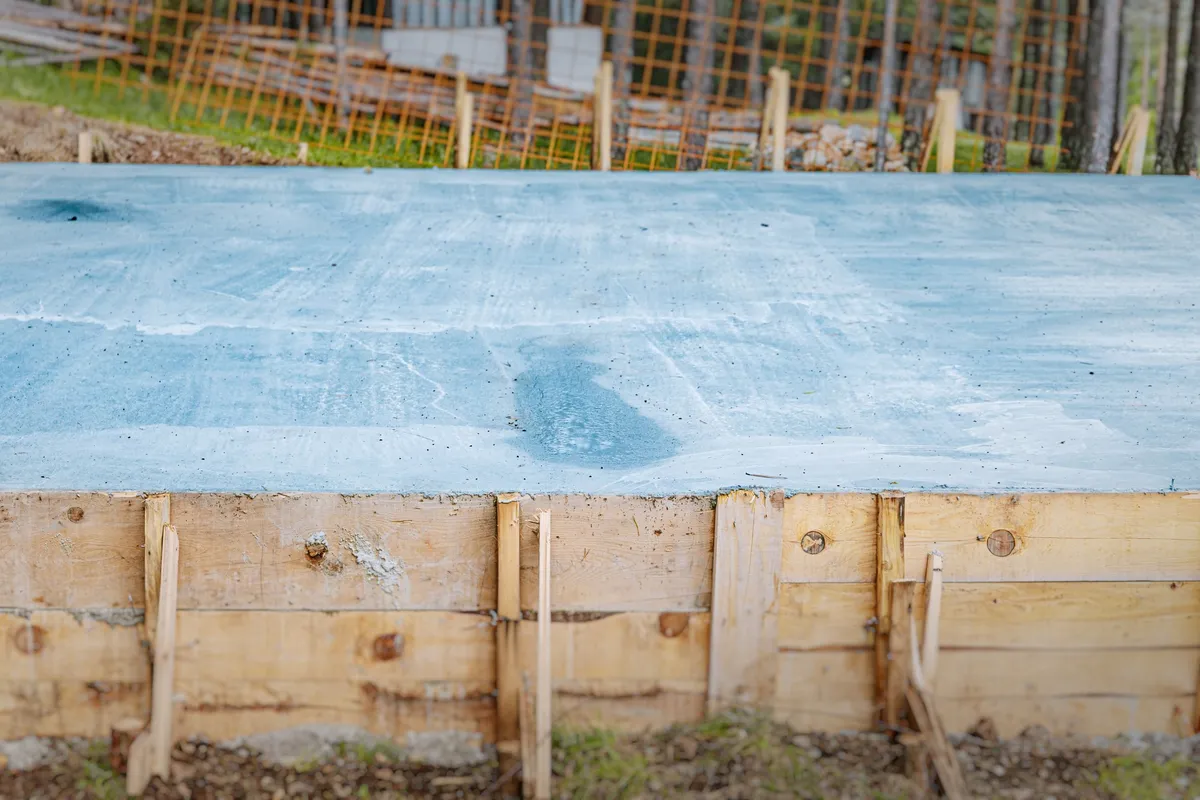
Concrete contractors in Sarnia, ON, face unique challenges when it comes to weather conditions. The fluctuating temperatures and unpredictable precipitation can significantly affect the outcome of concrete projects. Understanding how these professionals adapt to changing weather can help homeowners make informed decisions when planning their own projects.
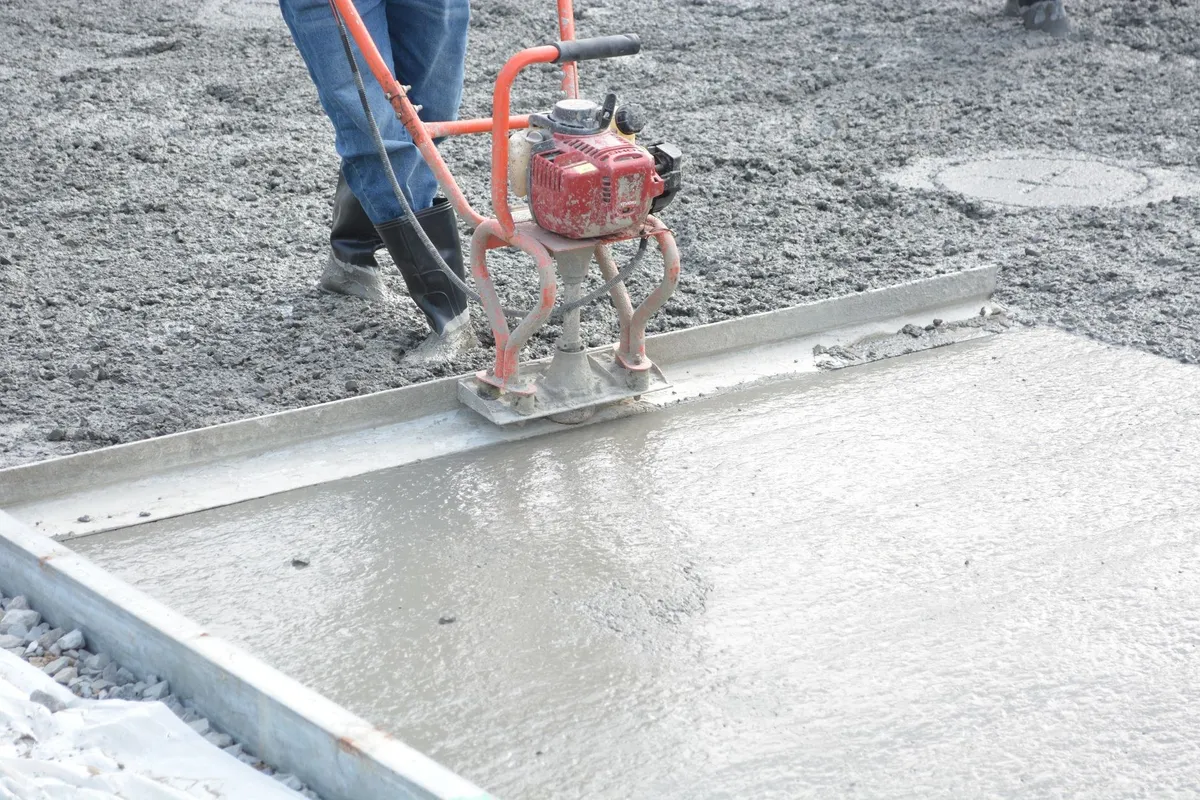
Understanding the Weather’s Impact on Concrete
Concrete is a versatile material, but it is not impervious to the elements. When temperatures drop, the curing process slows down, which can lead to weakened structures if not managed properly. Similarly, excessive heat can cause rapid evaporation of moisture, leading to cracks and surface defects. Professional concrete specialists have a keen understanding of these dynamics and employ various strategies to mitigate the risks associated with adverse weather.
One common practice is to schedule pours during the most favorable times of the day. Early mornings or late afternoons can provide cooler temperatures that are ideal for mixing and pouring concrete. Additionally, many contractors utilize weather forecasts to plan their projects, ensuring they are prepared for any sudden changes.
Protective Measures: Covering Your Bases
When the forecast calls for rain or extreme temperatures, concrete professionals have a toolkit of protective measures at their disposal. One method is the use of curing blankets or tarps to shield freshly poured concrete from rain and cold. These materials help maintain the right temperature and moisture levels needed for proper curing.
In hot weather, contractors may employ misting systems to keep the concrete surface moist during the curing phase. This not only helps prevent cracking but also ensures that the concrete achieves its desired strength. It’s crucial for homeowners to communicate with their contractors about the weather conditions leading up to and during their projects to ensure that the necessary precautions are taken.
Choosing the Right Mix for Local Conditions
The composition of the concrete mix can also play a vital role in its performance under different weather conditions. Experienced contractors in Sarnia often adjust the mix design based on the specific climate challenges they expect. For instance, adding accelerators can help speed up the curing process in cooler temperatures, while retarders can slow it down in hotter conditions.
Local expertise is invaluable when it comes to selecting the right materials. Contractors with years of experience in the Sarnia area understand how to tailor their mixes to withstand the region’s seasonal variations. This attention to detail not only improves the durability of the finished product but also gives homeowners peace of mind.
Long-Term Considerations: Planning for the Future
When planning a concrete project, it’s essential to think long-term. The choices made today can significantly impact the longevity of the concrete. Quality contractors emphasize the importance of proper drainage and site preparation to prevent future issues. This is particularly important in Sarnia, where snow and rain can lead to water accumulation if not properly managed.
Investing in high-quality materials and workmanship can save homeowners from costly repairs down the line. Engaging with local concrete services, such as those offered by experienced professionals in Sarnia, ensures that your project is built to last, no matter what the weather throws your way.
By understanding the strategies that local contractors use to navigate the challenges posed by the elements, homeowners can approach their concrete projects with confidence. Whether it’s a driveway, patio, or foundation, the right preparation and expertise make all the difference in achieving a successful outcome.
Frequently Asked Questions
How do weather conditions affect the curing of concrete?
Weather conditions play a significant role in the curing process of concrete. In colder temperatures, the curing slows down, which can lead to weakened structures if not managed properly. Conversely, hot weather can cause rapid evaporation of moisture, resulting in cracks and surface defects.
What protective measures are used when rain is expected during a project?
When rain is on the horizon, professionals often use curing blankets or tarps to cover freshly poured concrete. These materials help maintain the right temperature and moisture levels, ensuring proper curing and preventing damage from unexpected precipitation.
Can the concrete mix be adjusted for local weather challenges?
Yes, the mix design can be tailored to address specific climate challenges in Sarnia. For instance, adding accelerators can speed up the curing process in cooler temperatures, while retarders can slow it down in hotter conditions, ensuring the concrete performs well throughout the year.
What should I discuss with my contractor regarding weather conditions?
It’s important to communicate about the weather conditions leading up to and during your project. Make sure to discuss any potential impacts on the schedule and the protective measures that will be implemented to ensure the integrity of the concrete.
How does proper drainage impact the longevity of concrete projects?
Proper drainage is crucial in preventing water accumulation, especially in Sarnia where snow and rain can be significant. Investing in quality site preparation and drainage solutions can save you from costly repairs in the future, ensuring that your concrete lasts longer.
Get Directions to Concrete Sarnia
🎧 Listen to this as a podcast
Also on Apple Podcasts, Spotify, and Amazon Music.